
In 2026, your LinkedIn profile is often more important than your resume because it is searchable, easier to verify, richer in proof, and built for discovery. A resume is still useful, but it is usually a supporting document. Your LinkedIn profile is the living professional asset that recruiters, clients, employers, and partners check first.
That does not mean resumes are irrelevant. It means their role has changed. A resume still helps when you apply for a specific role or need a neatly formatted summary. But your LinkedIn profile now does far more.It tells your professional story, highlights your achievements, displays recommendations, and helps recruiters and clients discover you anytime.
This updated guide explains why LinkedIn has become the more valuable career asset, what a strong profile should include, how it creates opportunities, and how to improve yours so it stands out in 2026. Once you understand why the profile matters, use this complete LinkedIn profile optimization guide to improve each section.
The Shift From Resume to Digital Presence
Professional hiring and networking have become much more digital. A printed or PDF resume is still a snapshot, but decision-makers increasingly want context around that snapshot. They want to see how you present yourself, what you actually talk about, whether your experience looks credible, and how active and current you appear.
LinkedIn fits that shift perfectly because it combines identity, experience, proof, and visibility in one place. A profile can include your headline, summary, work history, skills, recommendations, certifications, featured work, articles, activity, and professional network. A resume cannot usually do all of that without becoming too long or too static.
This is also why employers, recruiters, and prospects often look at LinkedIn before they ask for a resume. They want a fuller picture, not only a list of qualifications.
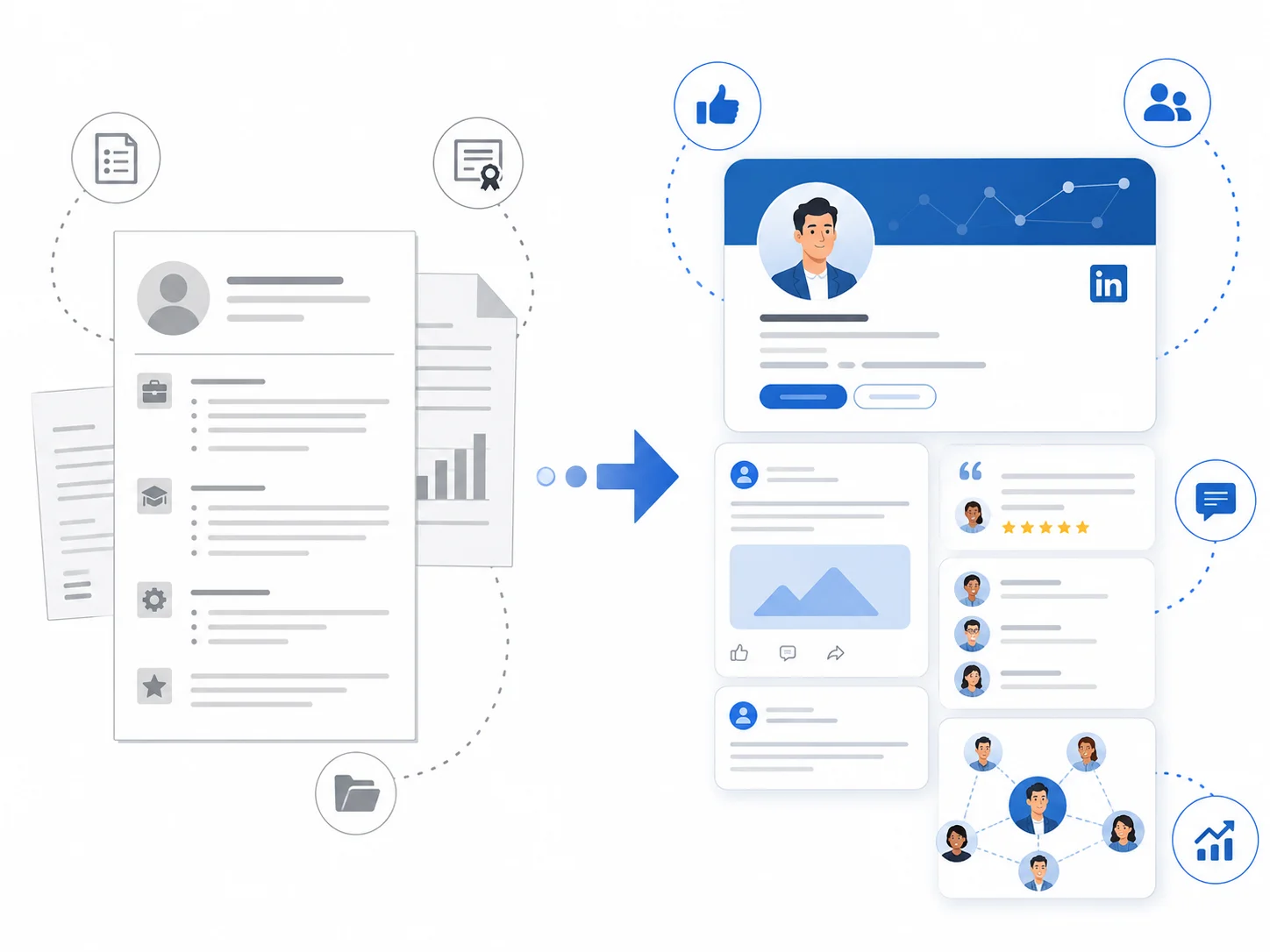
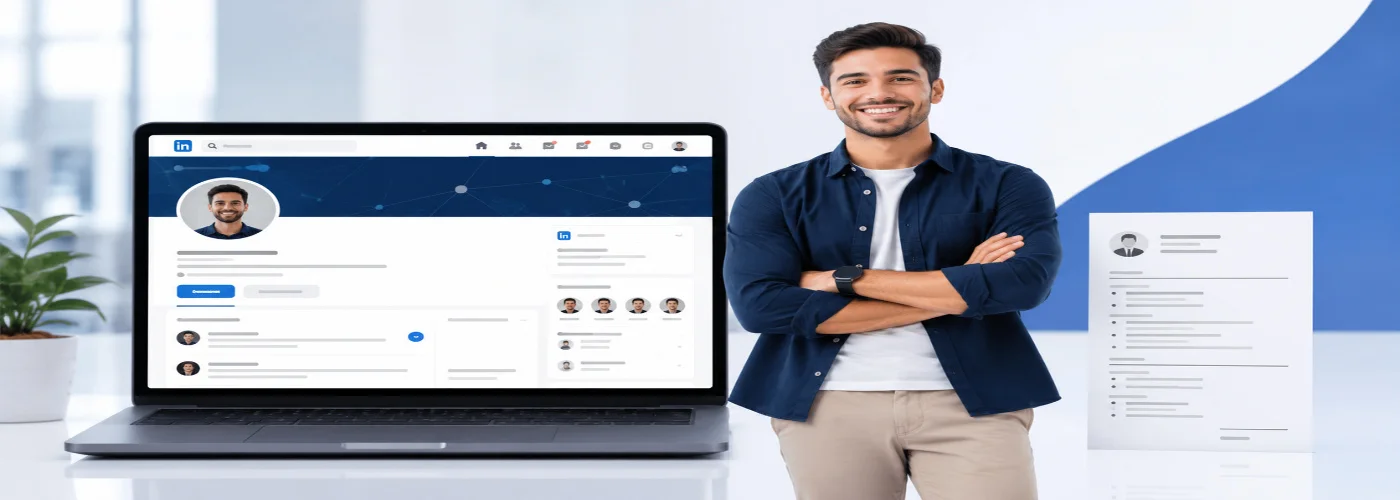
The move from a static resume to a living digital professional presence.
Why LinkedIn Is More Powerful Than a Resume
The biggest difference is not format. It is function. A resume is usually sent from one person to one decision-maker for one opportunity. A LinkedIn profile works all the time, whether you are applying or not.
1. It is discoverable. Recruiters, hiring managers, founders, potential clients, and collaborators can find you through LinkedIn search, keyword matches, and mutual connections.
2. It is easier to verify. A profile often shows recommendations, endorsements, work history, company associations, certifications, and recent activity. That makes your professional story easier to trust.
3. It shows more than job titles. You can display thought leadership, featured work, publications, projects, and professional opinions, not just responsibilities.
4. It is dynamic. You can update your headline, about section, featured work, and recent activity whenever your career changes. A resume is usually outdated the moment it is exported.
5. It supports inbound opportunities. People can discover you even when you are not job hunting. That includes recruiters, podcast hosts, conference organizers, investors, business partners, and potential clients.
6. It creates context. Someone viewing your profile can understand your niche, achievements, network quality, and communication style faster than they can from a one-page resume.
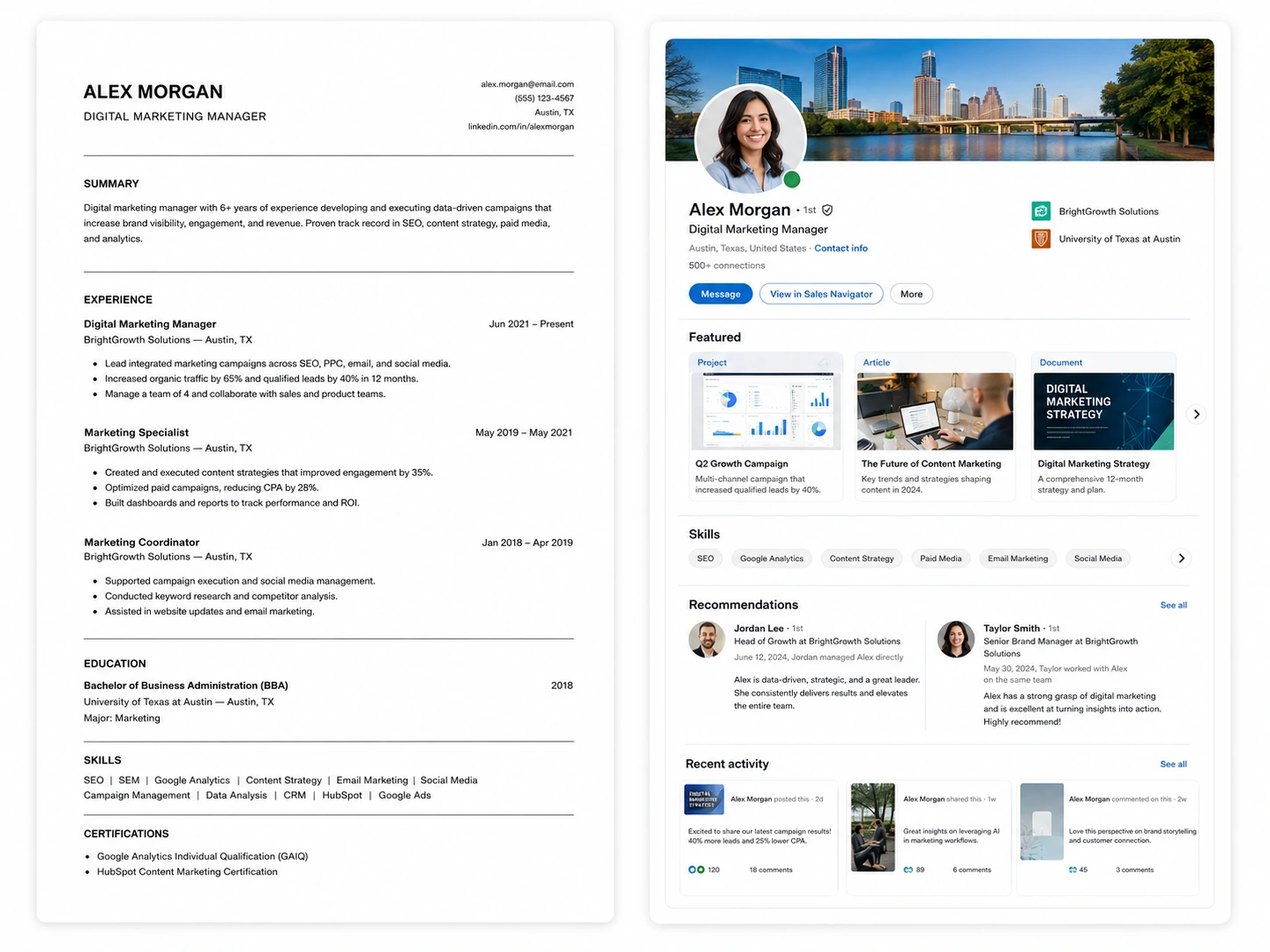
Resume versus LinkedIn profile: a static document compared with a dynamic professional asset.
Important Components of a Good LinkedIn Profile
If LinkedIn is more important, then quality matters. A half-complete profile will not deliver the same value as a strong one. The best profiles are clear, credible, and built to show both expertise and relevance.
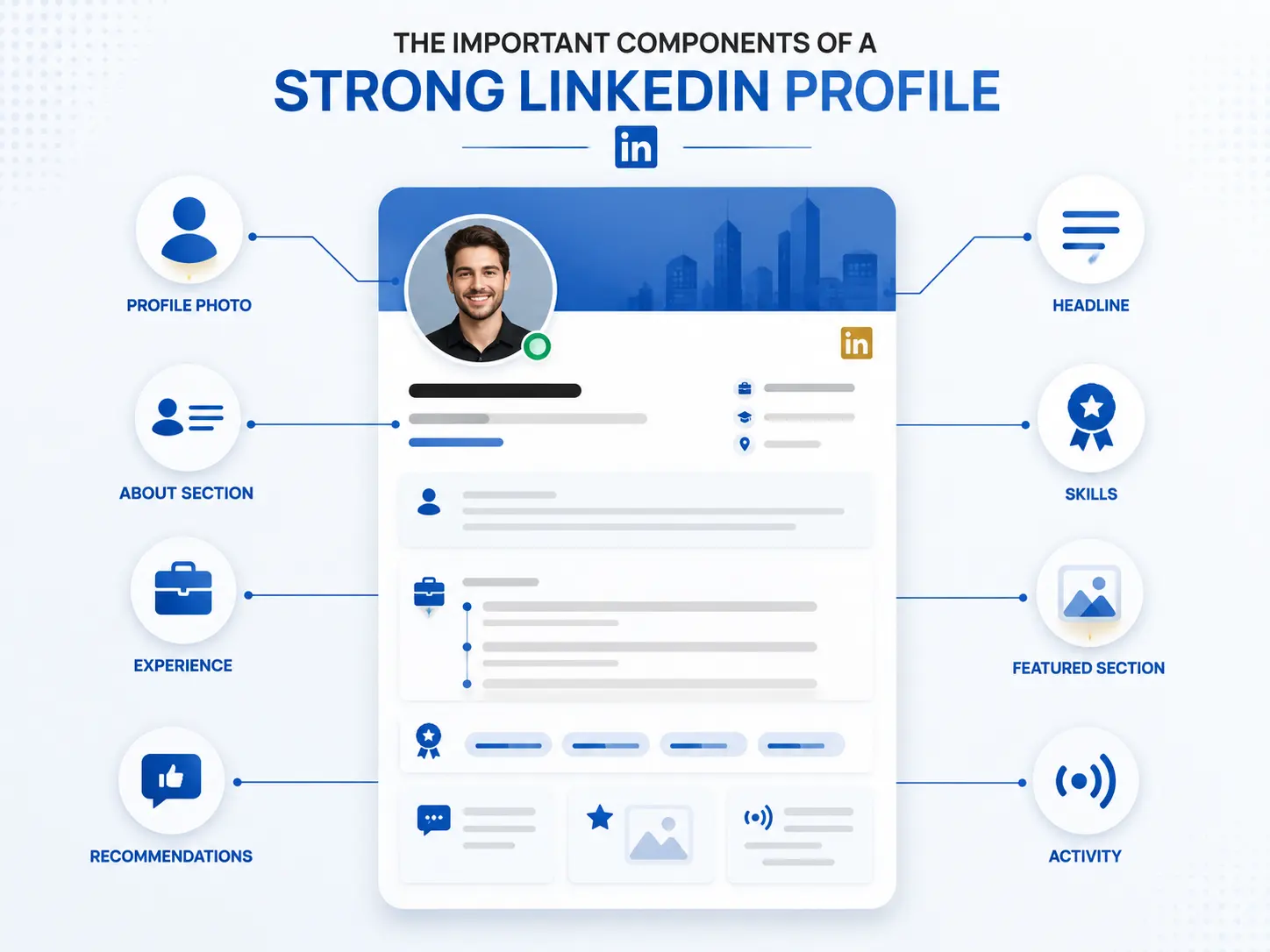
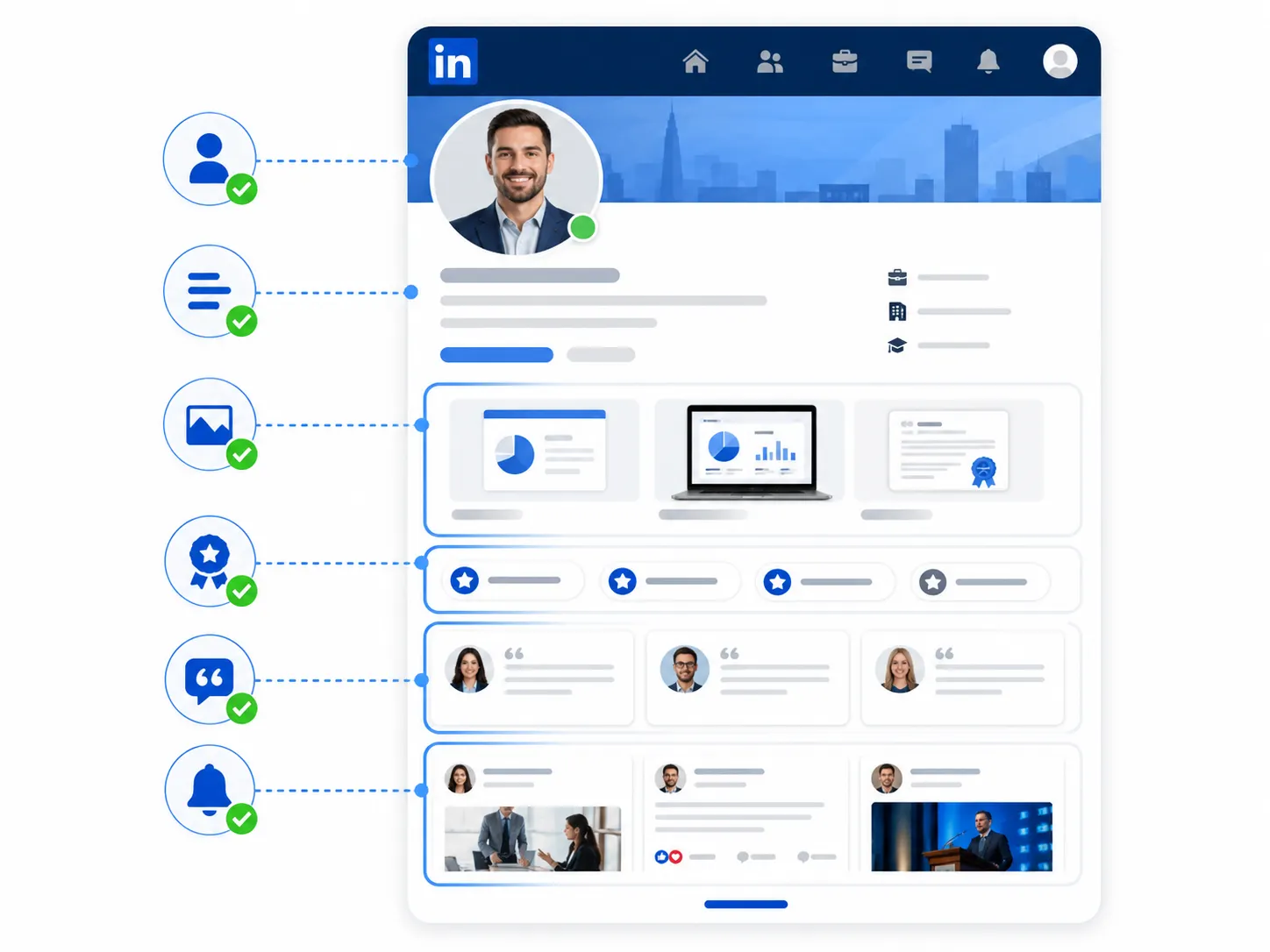
Key sections that make a LinkedIn profile stronger and more complete.
1. Professional profile photo. Use a clear, current, high-quality headshot. It should look professional and approachable.
2. Strong headline. Your headline should say more than your current job title. It should communicate what you do, who you help, or what you are known for. Your headline shapes the first impression, so take time to write a stronger LinkedIn headline.
3. Compelling About section. This section should explain your background, strengths, results, and career direction in plain, readable language.
4. Clear work experience. Show your role, scope, impact, and outcomes. Numbers help when they are accurate and relevant.
5. Skills section. Add the skills that match your real expertise and the kind of opportunities you want.
6. Featured section. Use this area to highlight your best work, articles, portfolio links, case studies, interviews, presentations, or lead magnets.
7. Recommendations. Recommendations add social proof. They show how other people describe your work and professionalism.
8. Activity. Your visible activity helps people understand your interests, knowledge, and consistency.
How LinkedIn Improves Career Opportunities
A well-built LinkedIn profile does not only look better. It improves professional outcomes. Founders can go deeper with these LinkedIn profile tips for founders to build trust and authority.
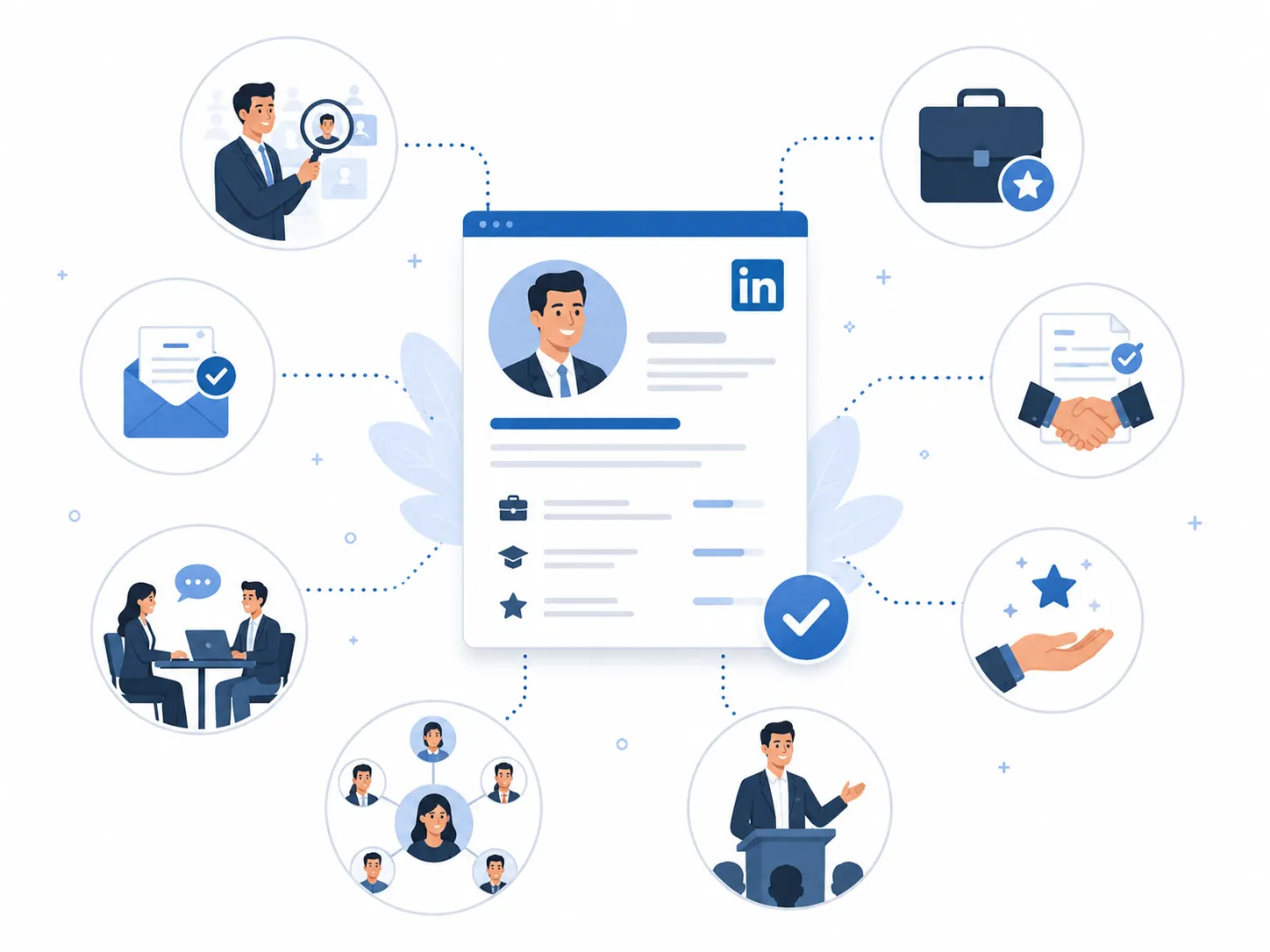
A strong profile can support recruiting, networking, speaking, credibility, and new business opportunities.
1. Better recruiter visibility. Many recruiters search LinkedIn directly using keywords tied to skills, roles, industries, and locations. If your profile is optimized, you have a better chance of being found.
2. Stronger first impressions. When someone looks you up after a meeting, referral, or application, your profile helps shape the impression they form within seconds.
3. More networking opportunities. LinkedIn makes it easier to build professional relationships with peers, hiring managers, founders, clients, and industry leaders.
4. Higher trust for service professionals. If you are a consultant, coach, freelancer, or agency owner, prospects often judge credibility through your profile before booking a call.
5. More speaking and collaboration opportunities. People often check LinkedIn before inviting someone to speak, collaborate, mentor, or contribute.
6. Long-term career compounding. A strong profile continues to create value over time. It builds authority, search visibility, and trust, even between job changes.
LinkedIn Profile vs Resume
The table below shows why the profile has become the more powerful asset in most modern professional situations.
Factor | Resume | LinkedIn Profile |
|---|---|---|
Visibility | Shared manually | Searchable and discoverable |
Freshness | Often static | Easy to update anytime |
Proof | Limited by space | Can include recommendations, featured work, and activity |
Networking | Not designed for it | Built around connections and outreach |
Personal brand | Minimal | Strong branding opportunity |
Inbound opportunities | Rare | Common when profile is optimized |
Context | Condensed summary | Richer, more complete professional picture |
Tips to Make Your LinkedIn Profile Stand Out
If your LinkedIn profile now matters more than your resume, it should be treated like a career asset, not just a placeholder page. These improvements can make a real difference.
Practical profile improvements that help your LinkedIn presence stand out.
1. Write a keyword-aware headline. Use language that reflects the role, expertise, or results you want to be known for. This improves both clarity and discoverability.
2. Upgrade your About section. Focus on who you are, what you do well, what results you create, and what kind of opportunities fit you best.
3. Turn responsibilities into achievements. Instead of listing tasks only, explain what changed because of your work.
4. Use the Featured section strategically. Show portfolio pieces, case studies, articles, decks, or proof-heavy assets that support your positioning.
5. Add relevant skills and keep them current. Match them to the direction of your career, not only to past roles.
6. Collect strong recommendations. Ask former managers, clients, teammates, or collaborators for specific feedback that reflects your value.
7. Stay active in a useful way. You do not need to post daily, but regular thoughtful activity helps keep your profile current and visible.
8. Keep your profile aligned with your resume. There should not be major contradictions between the two. Consistency builds trust.
Does the Resume Still Matter?
Yes. The resume still matters. Many formal application systems still require one, and it is useful when you need a clean, tailored document for a specific role. However, a resume alone is no longer enough to represent your complete professional identity.
A better way to think about it is this: your LinkedIn profile is your living professional presence, and your resume is the tailored document you send when needed. The profile leads. The resume supports.
Best Practice for 2026
Do not choose between LinkedIn and a resume. Build both, but prioritize the profile first. Make sure your LinkedIn page is complete, current, and persuasive. Then make your resume match that story for specific roles or outreach situations.
That approach works better for modern hiring, personal branding, networking, consulting, and B2B credibility because it meets people where they already look first.
Conclusion
In 2026, your LinkedIn profile is more important than your resume because it is visible, active, verifiable, and built for opportunity. A resume still has a place, but it is no longer the main professional asset it once was.
If you want better opportunities, stronger credibility, and more professional leverage, treat your LinkedIn profile like a strategic career page. If you need help turning your experience into persuasive profile copy, explore our LinkedIn profile writing services.
When it clearly shows who you are, what you do, what you have achieved, and why people should trust you, it can open more doors than a static document ever could.