
Let's be honest. Most LinkedIn profiles look pretty similar.
A professional headline, a list of achievements, a few certificates, and the occasional post about a career milestone. There's nothing wrong with any of that, but it doesn't necessarily give people a reason to remember you.
That's where personal branding comes in.
Your personal brand is what people associate with you when they come across your profile, read your content, or hear your name in a professional conversation. It's how you communicate what you know, what you stand for, and what makes your perspective worth listening to.
And no, you don't need to be a CEO or an industry veteran to build one.
Here are five LinkedIn personal branding examples that show how different professionals have built a recognizable presence, along with lessons you can apply to your own profile.
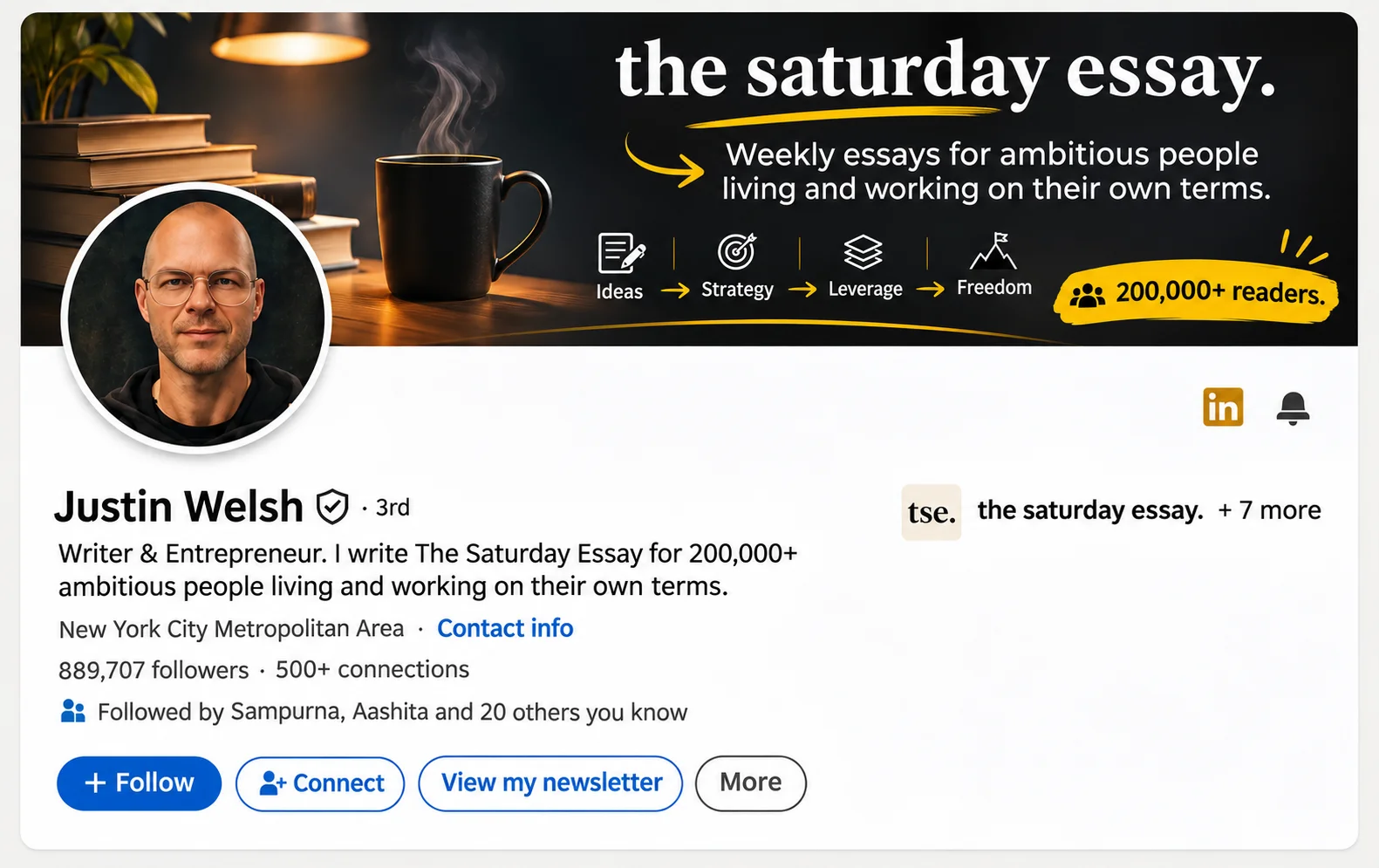
1. Justin Welsh: The Power of Ownin
Justin Welsh has built a recognizable personal brand around solopreneurship, content creation, and building online businesses.
What makes his approach interesting is its clarity. You don't have to spend much time figuring out what he talks about or who his content is for. His work consistently revolves around helping people build and grow independent businesses.
That kind of clarity makes a difference. When your content covers everything from productivity to fashion to random industry updates, people may enjoy individual posts without knowing what to associate you with.
The takeaway: You don't have to talk about everything you know. You need to be known for one specific thing.
If you're a marketing professional, for instance, you could focus on content strategy, personal branding, or organic growth for startups. Give people a clear reason to follow your work.
If you're a marketing professional, for instance, you could focus on content strategy, personal branding, or organic growth for startups. Give people a clear reason to follow your work. For founders and entrepreneurs, that same clarity should also carry through to linkedIn profile optimization for founders.
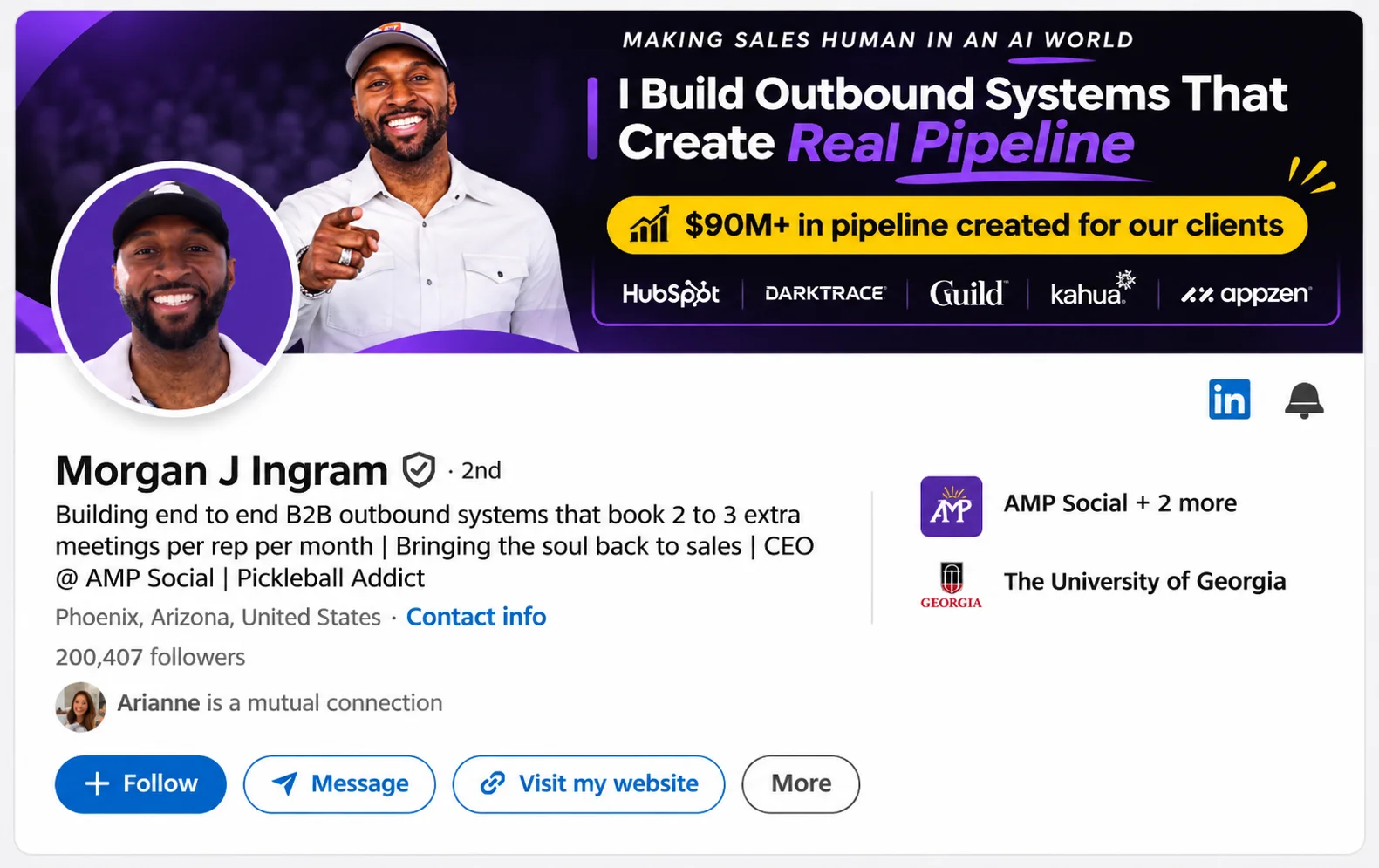
2. Morgan J. Ingram: Teach What You Know
Morgan J. Ingram is known for his work in sales development, social selling, and sales training.
His personal brand demonstrates an important point: expertise becomes much more visible when you actually share it.
Instead of expecting people to infer your skills from your job title, educational content gives them a chance to see how you think. Practical tips, common mistakes, and real-world lessons can communicate your knowledge far more effectively than simply calling yourself an expert.
And the best part? You don't need to reveal some groundbreaking industry secret every time you post.
The takeaway: Make your knowledge useful to someone else.
A sales professional could break down why an outreach message fails. A content strategist could explain why a post gets attention but generates no meaningful conversations. Small, specific insights can make your expertise easier to recognize.
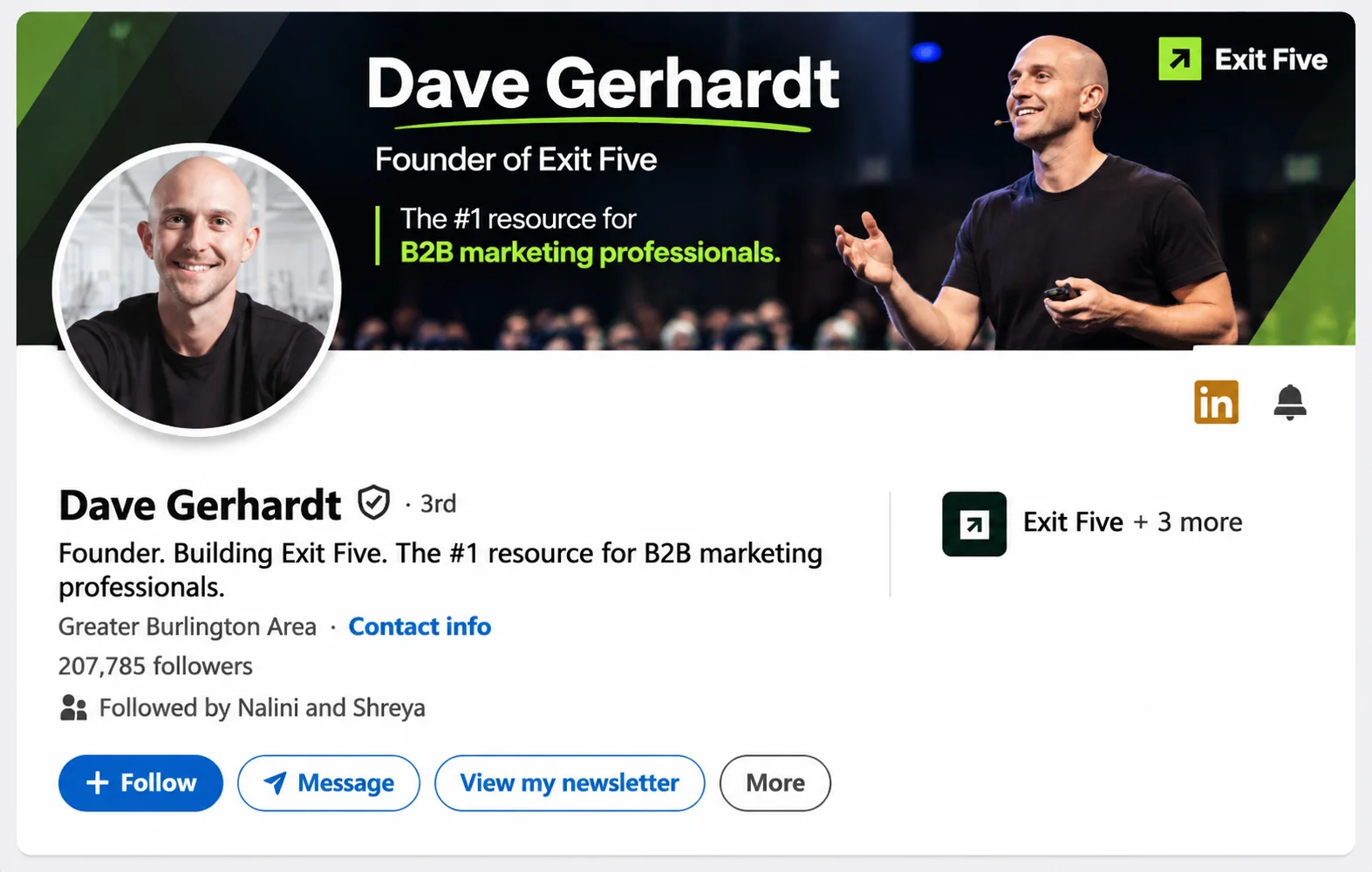
3. Dave Gerhardt: Be Known for Your Point of View
Dave Gerhardt has built his professional reputation around B2B marketing, brand building, and demand generation, with work extending into podcasts, communities, and educational resources.
His example highlights something that often gets overlooked in personal branding: expertise alone isn't always enough. Your perspective matters, too.
Two marketers can discuss the same campaign, use similar data, and reach similar conclusions. What makes their content different is how they interpret the information and explain what it means.
That's where a recognizable voice begins to develop.
That point of view works even better when your overall linkedIn profile optimization supports the same message and positioning.
The takeaway: Don't just share information. Add something of your own to it.
Instead of posting another list of marketing tips, explain why a common strategy doesn't work in a particular situation. Share what you've observed, challenge an assumption, or discuss a lesson from your experience.
You don't need to disagree with everyone to have a point of view. You just need to offer more than a summary of what everyone else is saying.
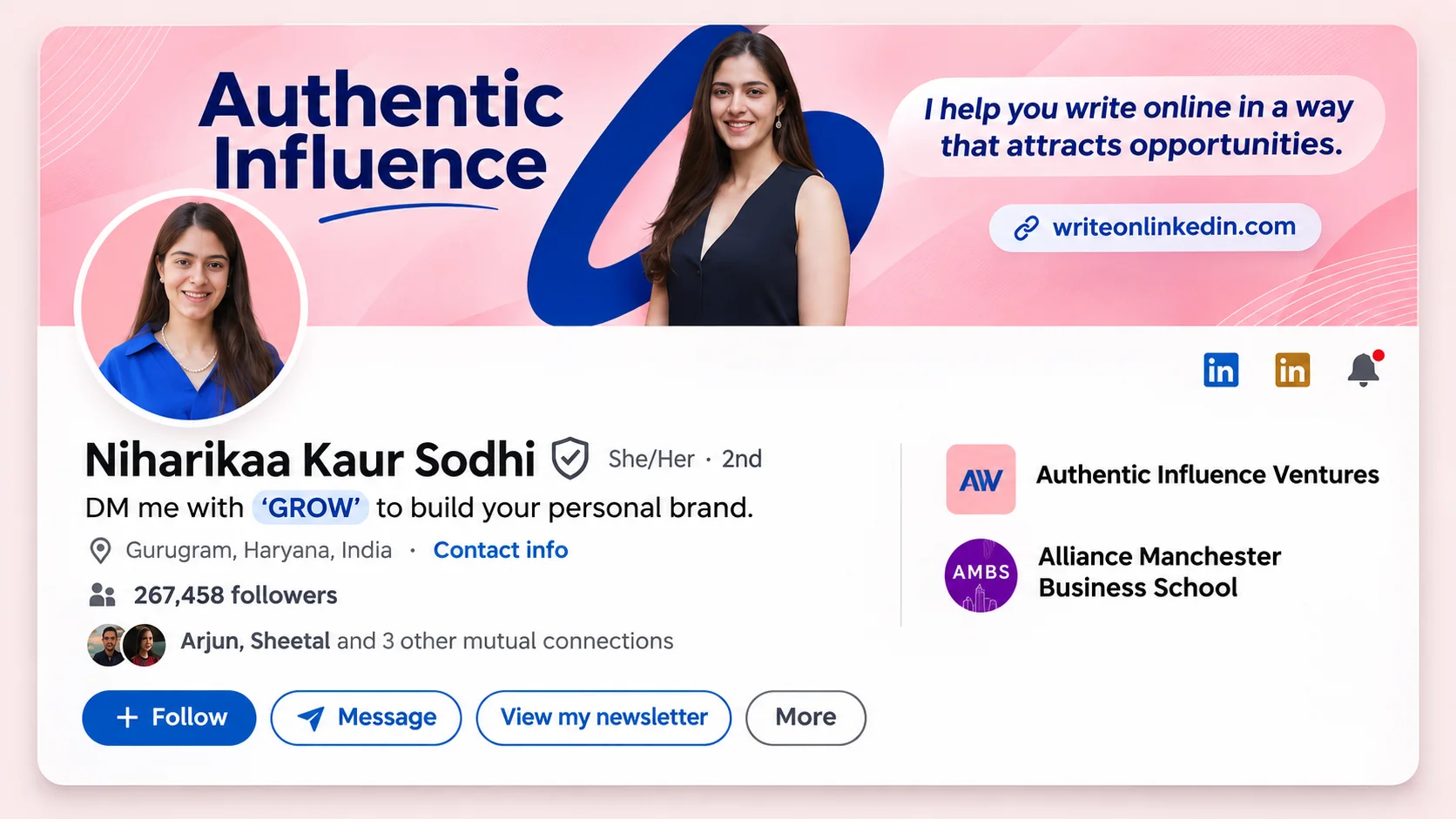
4. Niharikaa Kaur Sodhi: Let People See the Person Behind the Profile
Niharikaa Kaur Sodhi is known for her work around writing, content creation, and building an online audience.
Her example illustrates the role personal experiences can play in professional branding.
People don't connect with credentials alone. They also connect with the experiences, decisions, failures, and lessons that shape someone's perspective.
This doesn't mean turning LinkedIn into a personal diary. There's a difference between sharing something personal for the sake of attention and sharing an experience that helps someone understand a meaningful lesson.
The second approach gives your story a purpose.
The takeaway: Your journey can be part of your expertise.
You could write about a project that didn't go as planned, a skill you're struggling to master, or something your first job taught you about working with people. You don't have to wait until you've achieved something extraordinary to have a useful perspective.
Keeping your profile natural also helps you avoid some of the most common linkedIn profile mistakes that can make your personal brand feel generic or disconnected
Sometimes, the most relatable lessons come from experiences other people are going through right now.
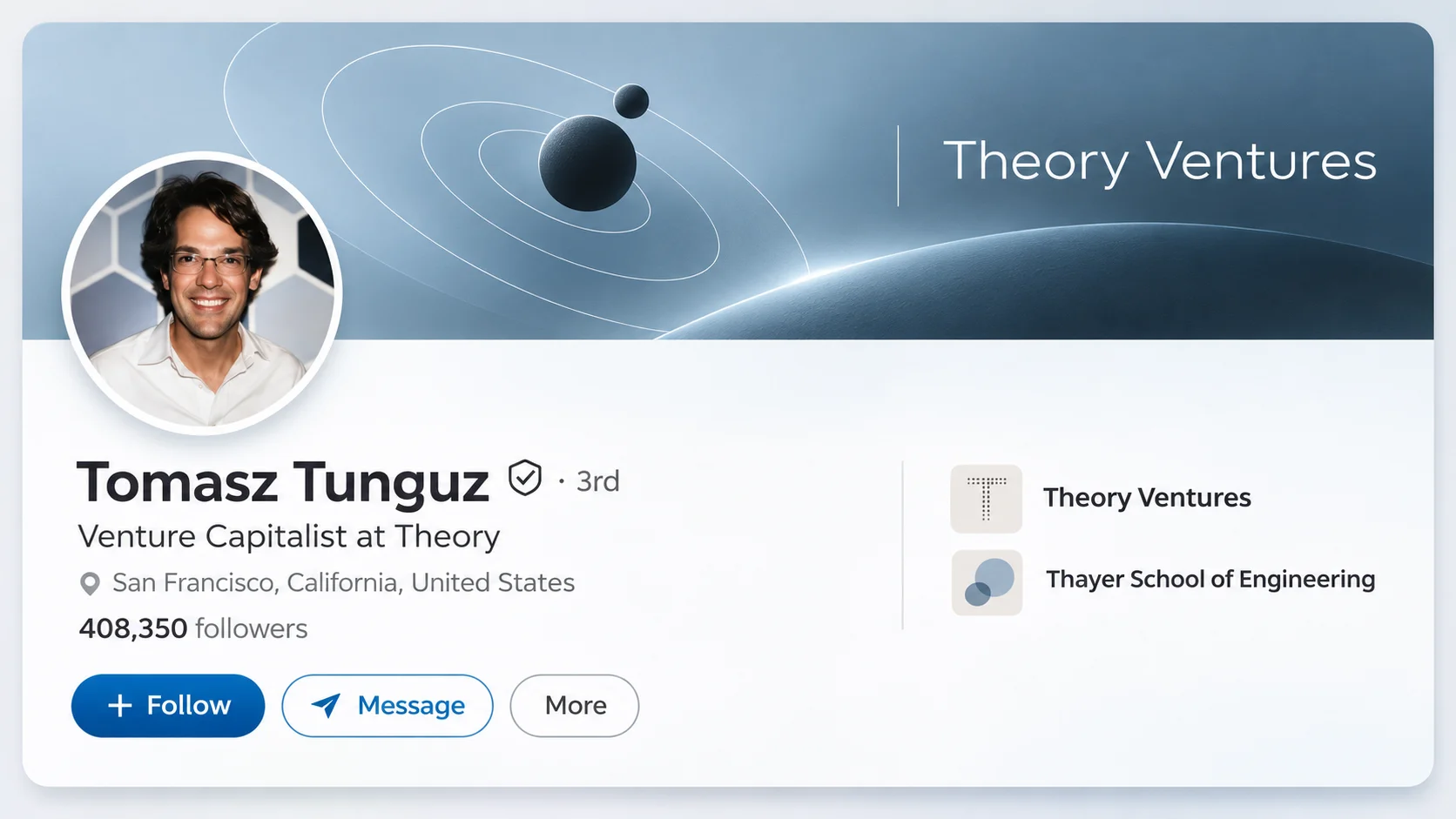
5. Tomasz Tunguz: Let Your Insights Do the Talking
Tomasz Tunguz, a venture capitalist and investor, is known for sharing data-driven insights about startups, technology, and business trends.
His approach shows how research and analysis can become the foundation of a personal brand.
Anyone can share an opinion about an industry trend. Backing that opinion with relevant data, explaining what the numbers mean, and connecting them to real business decisions adds another layer of value.
It also gives people a reason to return to your content: they're not just getting another opinion; they're getting an informed perspective.
The takeaway: Use evidence to make your content more valuable.
If you're a marketer, analyse a campaign trend. If you work in sales, explore what response rates reveal about outreach. If you're interested in business strategy, break down a company's positioning or growth decisions.
You don't need complicated research or impressive-looking charts. Start with a useful question, find credible information, and explain what you think it means.
So, What Actually Makes a Personal Brand Work?
These five professionals have different areas of expertise and different approaches to content. Yet a few principles connect their strategies.
Clarity: People can identify the topics they're associated with.
Consistency: Their content reinforces their professional identity over time.
Value: They give their audience something useful to learn, consider, or apply.
Perspective: Their content reflects how they think, not just what they know.
Credibility: Their expertise is demonstrated through their work and ideas.
If you're unsure whether your profile communicates these qualities clearly, a linkedIn profile audit can help identify gaps in your positioning, messaging, and overall presentation.
Notice what's missing from that list? Posting every single day just for the sake of consistency, chasing every trending topic, or trying to sound like the most successful person in your industry.
A strong personal brand isn't built by doing more of everything. It's built by making deliberate choices about what you want to be known for.
How Can You Start Building Your Own Personal Brand?
You don't need a complicated content calendar or a perfectly curated profile to begin. Start with a few basics.
1. Decide what you want to be known for.
Choose a specific area that connects your skills, interests, and professional goals. You can refine it as you grow.
2. Make your profile reflect that direction.
Your headline, About section, banner, and Featured section should tell a consistent story about who you are and what you bring to the table.
3. Pick three content pillars.
These could include educational content, industry observations, and personal experiences. Having a few recurring themes makes it easier to create relevant content without running out of ideas.
4. Develop your own voice.
You don't need to sound overly corporate to be taken seriously. Write clearly, share your actual perspective, and use language that feels natural to you.
5. Pay attention to meaningful results.
Likes and impressions can tell you something, but they aren't the whole picture. Look at profile visits, relevant connection requests, conversations, and opportunities that come from your content.
Give your strategy enough time to work before changing direction every few weeks.
Final Thoughts
Personal branding isn't about making yourself look impressive on the internet. It's about helping the right people understand your value.
Justin Welsh shows the importance of a clear niche. Morgan J. Ingram demonstrates how sharing knowledge can build credibility. Dave Gerhardt highlights the value of a distinct point of view. Niharikaa Kaur Sodhi illustrates how personal experiences can make professional content more relatable, while Tomasz Tunguz shows the value of research-backed insights.
You don't have to replicate any of their approaches exactly. Take the principles that fit your goals and build from there.Because ultimately, the goal isn't just to get noticed on LinkedIn. It's to be remembered for something that matters.