
Quick Answer |
|---|
Search behavior has changed quickly. People no longer only type a query into Google and scroll through ten blue links. They now ask ChatGPT, Gemini, Perplexity, and AI-powered search experiences for a direct answer, often with sources listed underneath.
If your website is not one of those sources, you can miss a growing layer of visibility even when your classic search rankings are strong. That is the entire idea behind GEO.
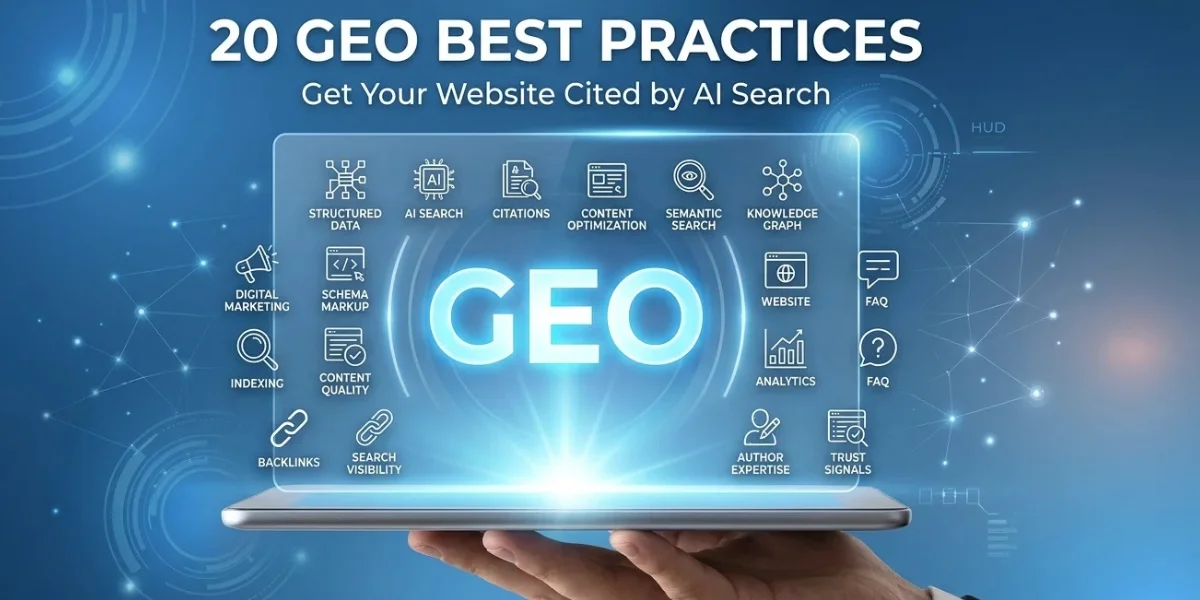
This guide breaks down 20 GEO best practices for 2026. Every recommendation is practical, clean, and built for both humans and AI systems.
What You Will Learn
What GEO Means
GEO vs SEO vs AEO
Why GEO Matters Now
20 GEO Best Practices
What Is GEO (Generative Engine Optimization)?
GEO is the practice of optimizing your content, technical access, and online reputation so AI-powered answer engines can cite, quote, or recommend your website. This includes tools and search experiences such as ChatGPT, Google Gemini, Perplexity, Claude, Microsoft Copilot, and Google AI Overviews.
Traditional SEO tries to earn a high position in a list of links. GEO tries to earn a spot inside the actual answer. The AI system reviews available sources, chooses the clearest and most credible ones, and then summarizes or cites a small set of them. GEO is the work of becoming one of those sources.
GEO vs SEO vs AEO: What Is the Difference?
These three terms overlap, but they are not the same. The table below shows the key differences in a simple way. .
Factor | SEO | GEO | AEO |
|---|---|---|---|
Goal | Appear higher in search results | Get cited inside an AI-generated answer | Get selected as the direct answer to a question |
Primary engines | Google and Bing | ChatGPT, Gemini, Perplexity, Claude, Copilot, AI Overviews | Voice assistants, featured snippets, answer boxes, AI Overviews |
Keyword approach | Keywords, intent, entities, and topical relevance | Natural language, factual density, entity clarity, and trust signals | Question-based phrasing and concise answers |
Content shape | Helpful pages targeting search intent | Quotable answers within complete, trustworthy pages | Direct one- to two-sentence answers |
Trust signals | Backlinks, topical authority, user value, and technical quality | Author expertise, data, citations, brand mentions, and entity consistency | Structured data, clear definitions, and direct formatting |
In practice, treat SEO, GEO, and AEO as one connected strategy. A page built well for GEO should also be stronger for classic search and answer-based results.
Why GEO Matters Right Now
AI-powered search is no longer a side experiment. OpenAI reported that ChatGPT adoption continued to broaden in early 2026, and Google states that pages can appear as supporting links in AI Overviews or AI Mode when they are indexed, eligible for Search, and eligible to show a snippet.
The businesses that show up as cited sources are not there by luck. They publish pages that are easy to crawl, easy to understand, specific, trustworthy, and supported by strong entity signals. Businesses that ignore this shift may lose visibility even if their traditional rankings stay stable.
20 GEO Best Practices to Get Cited by ChatGPT, Gemini, and Perplexity
These 20 practices are grouped into four practical categories: content structure, technical access, trust and authority, and distribution and measurement. Work through them in order for the fastest improvement.
1. Answer the question in the first two sentences
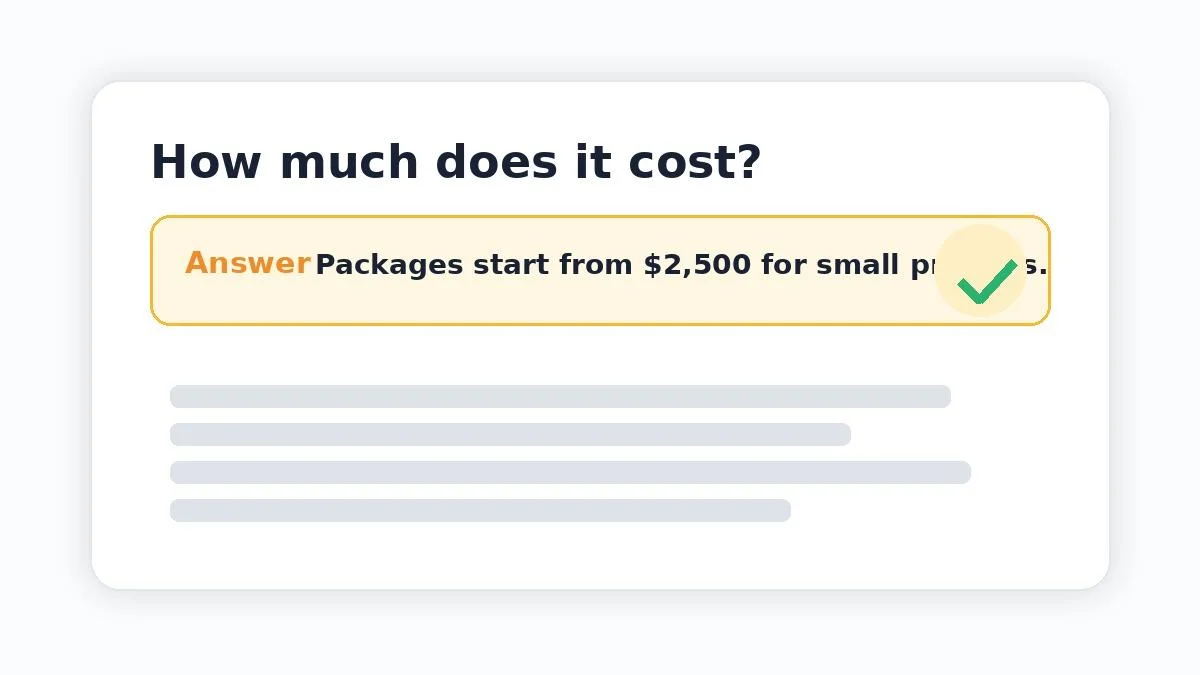
AI systems look for a clear answer before they evaluate the rest of the page. Every important page or section should open with a short, self-contained answer, roughly 40 to 60 words, that could be quoted on its own. Add background, nuance, and examples after the direct answer.
2. Use question-based subheadings
Phrase H2 and H3 headings the way real people ask questions. For example, use “How much does it cost to plan a destination wedding in Goa ?” instead of a vague label like “Pricing.” This helps answer systems match a user question to the right section.
3. Write in a clean heading hierarchy
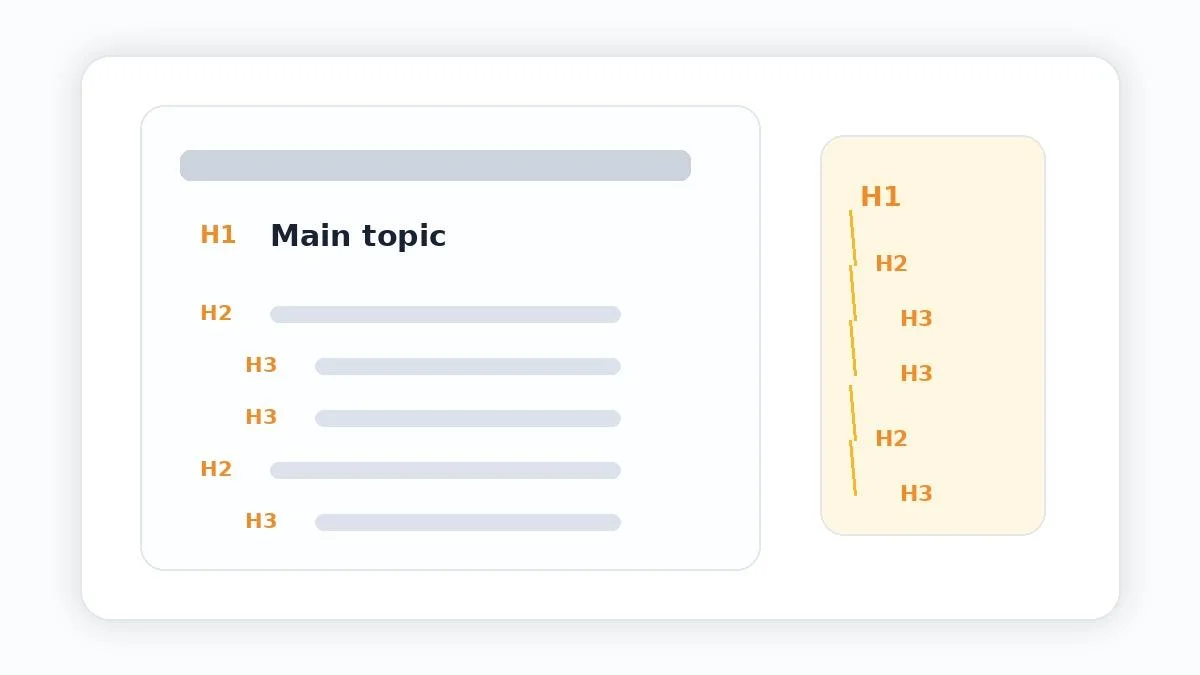
Use one H1, followed by logically nested H2 and H3 tags. Do not skip levels or use headings only for visual styling. A clean structure helps crawlers map the page quickly and pull the correct section into an answer.
4. Add original data and named statistics
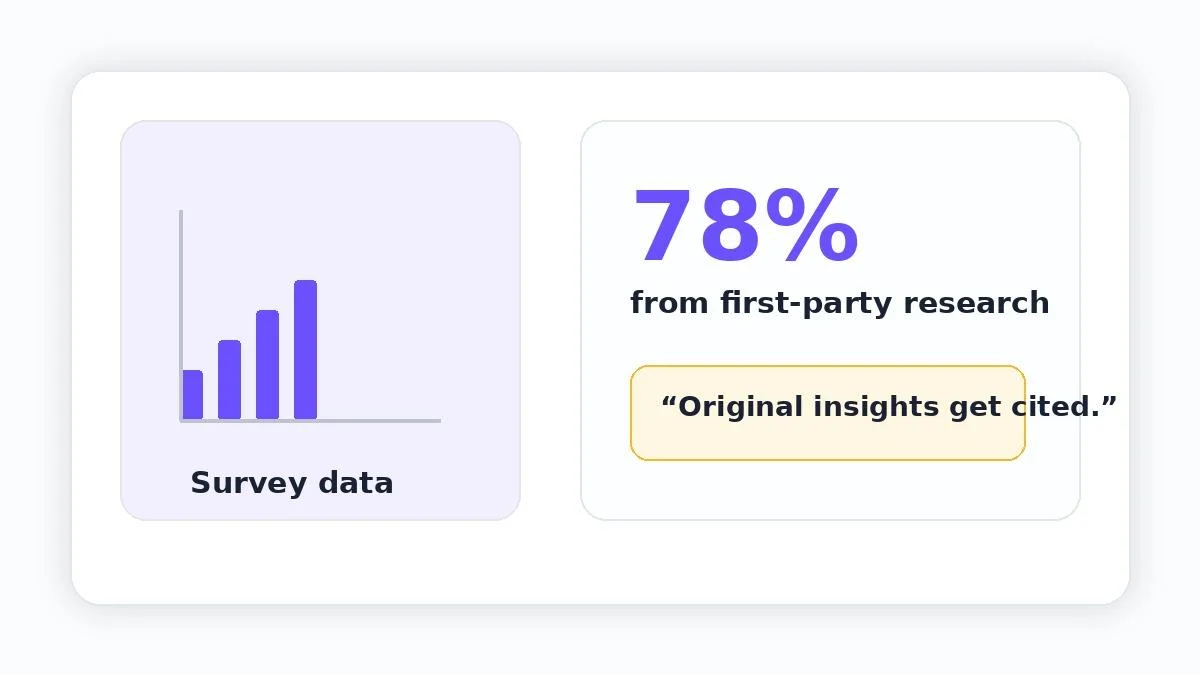
Generic claims carry limited value. Specific, verifiable numbers are easier to cite. Use real figures from your own work, surveys, case studies, customer data, or credible third-party research. Avoid invented numbers and vague claims.
5. Build comparison tables wherever relevant
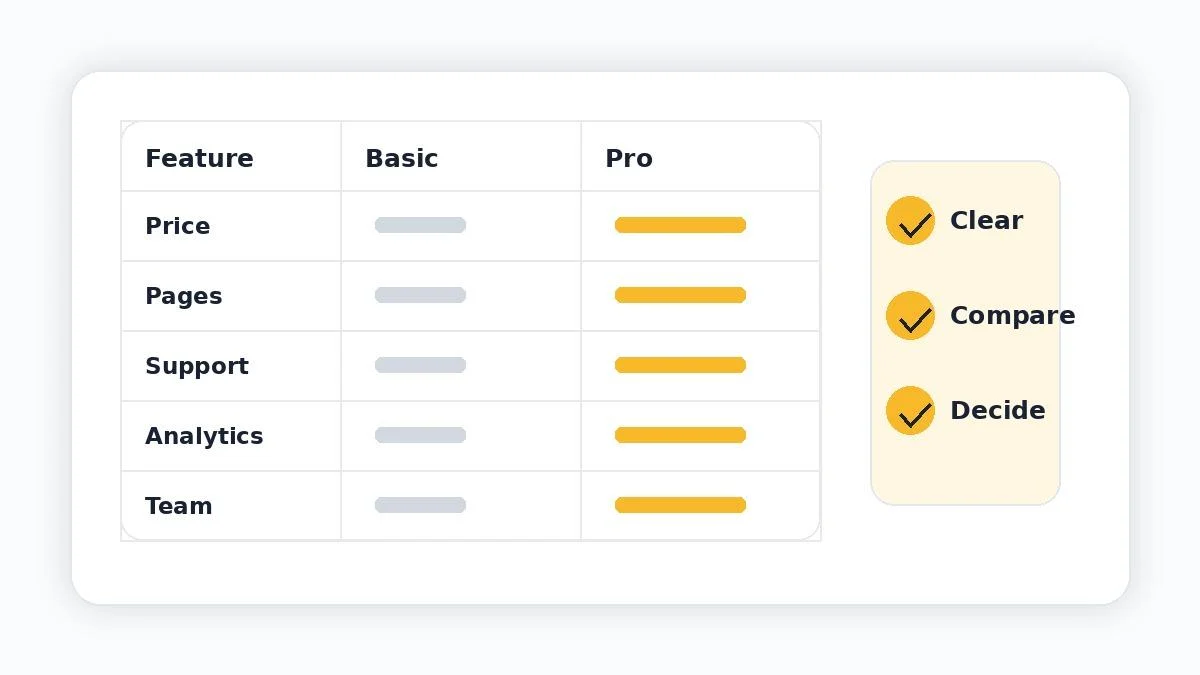
AI systems can summarize structured comparisons more accurately than dense paragraphs. If you compare tools, venues, packages, destinations, pricing, or features, use a clean HTML table with short labels and clear rows.
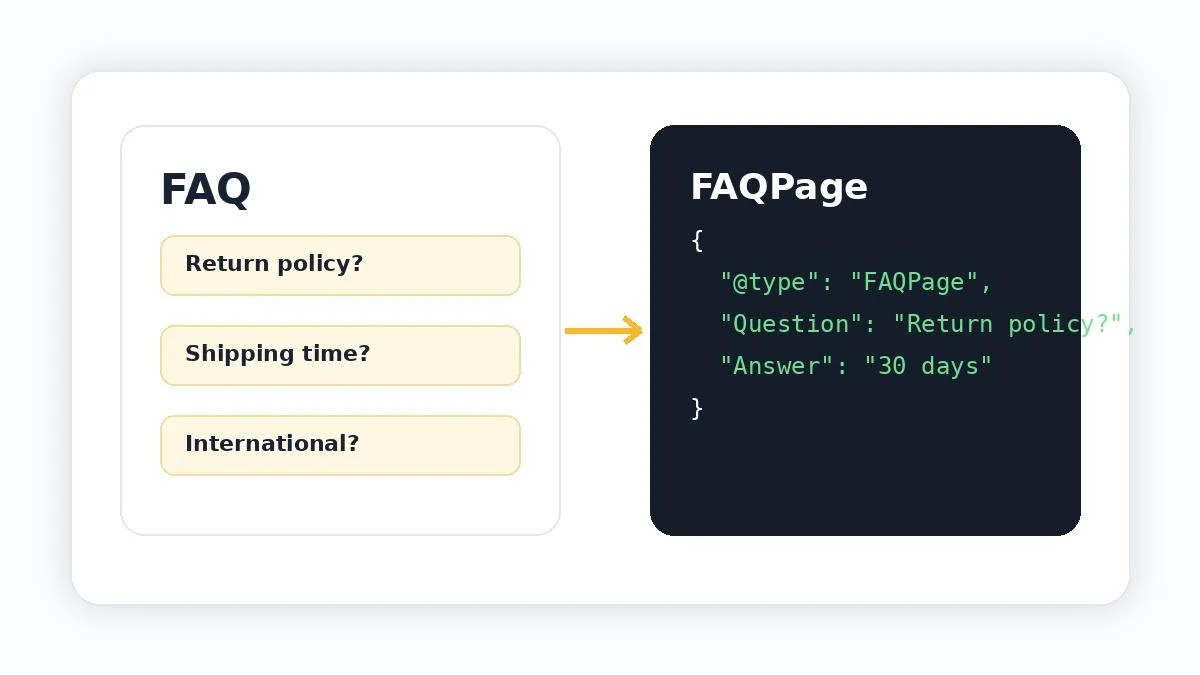
6. Add FAQ sections with FAQPage schema
A dedicated FAQ section gives AI systems ready-made question and answer pairs. Add FAQPage schema only when the same questions and answers are visibly present on the page. Mismatched schema can reduce trust.
7. Use Article and Organization schema markup
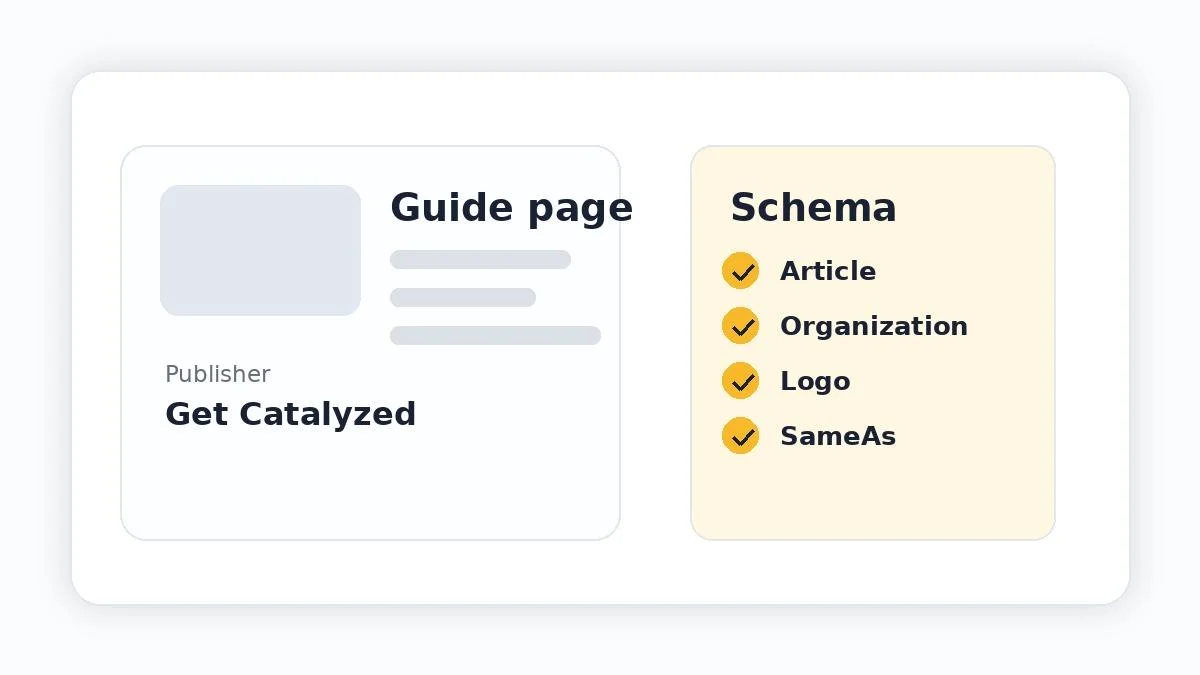
Structured data gives crawlers a machine-readable summary of who published the content, when it was created, and what organization stands behind it. Use Article schema for blog posts and Organization schema for business identity details.
8. Show a real, named author with credentials
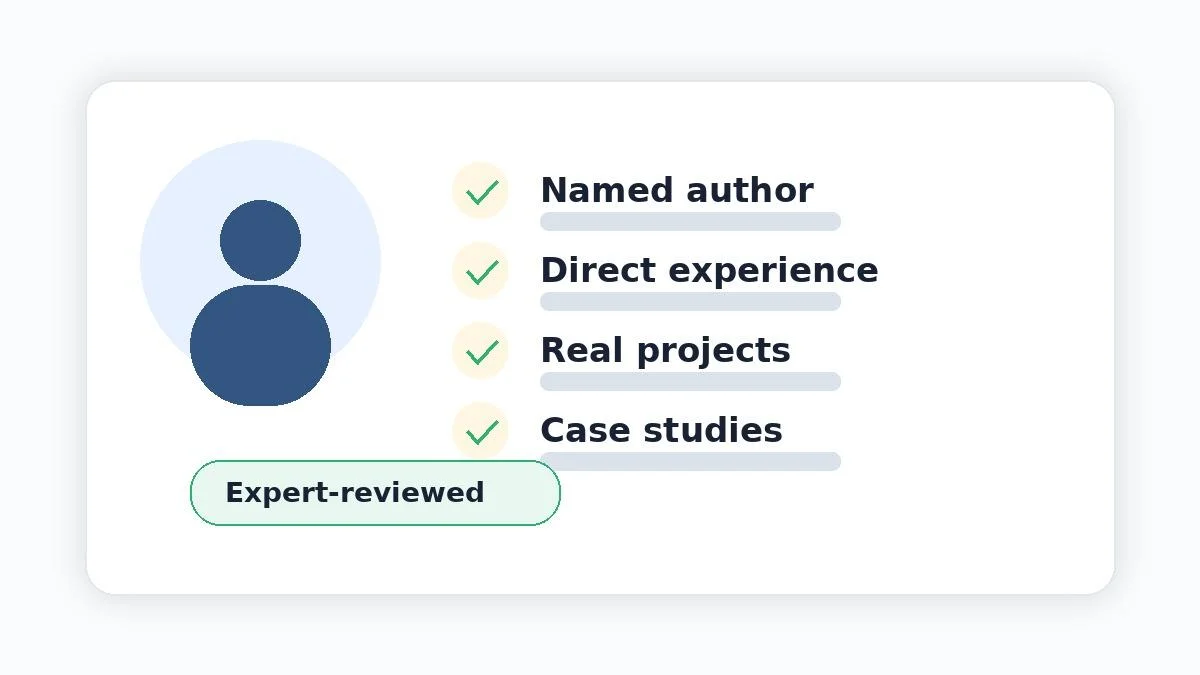
Content signed by a named author is more credible than content attributed to “Admin.” Add an author name, short bio, relevant experience, and a link to an author page. For expert topics, explain why the author is qualified to write about the subject.
9. Display clear publish and update dates
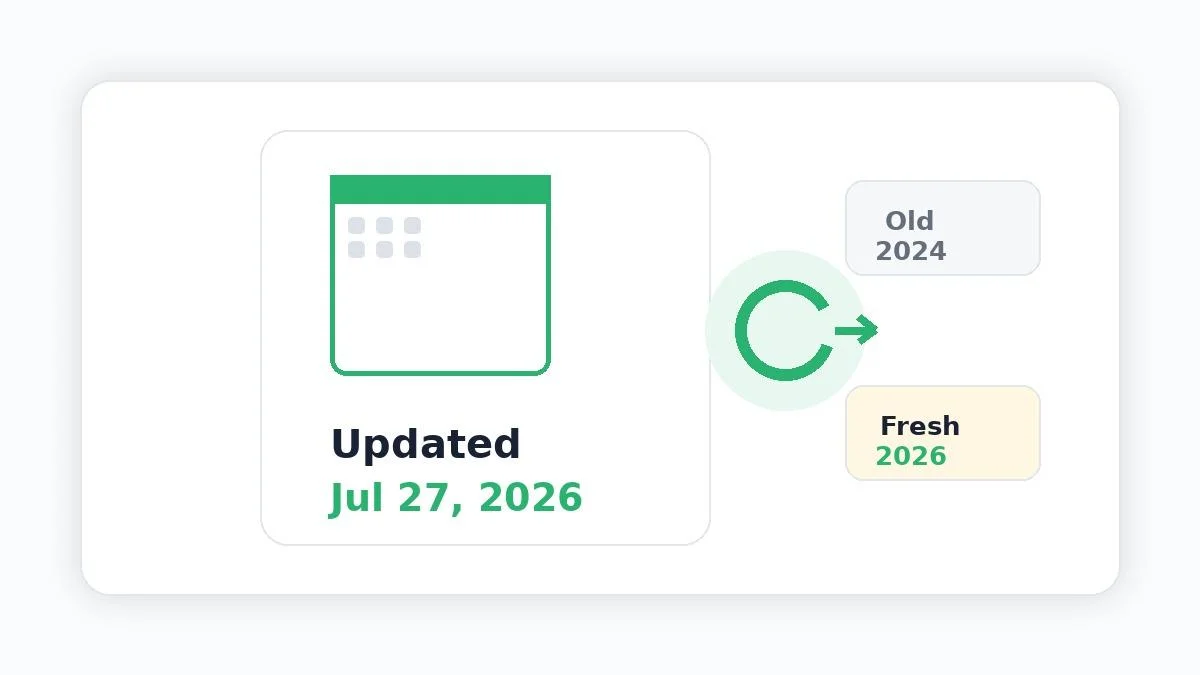
Freshness matters more on fast-changing topics. Show a visible publish date and updated date on important articles. Keep the information updated, not just the published date. Refresh outdated examples, screenshots, statistics, and recommendations.
10. Review crawler access and robots.txt carefully
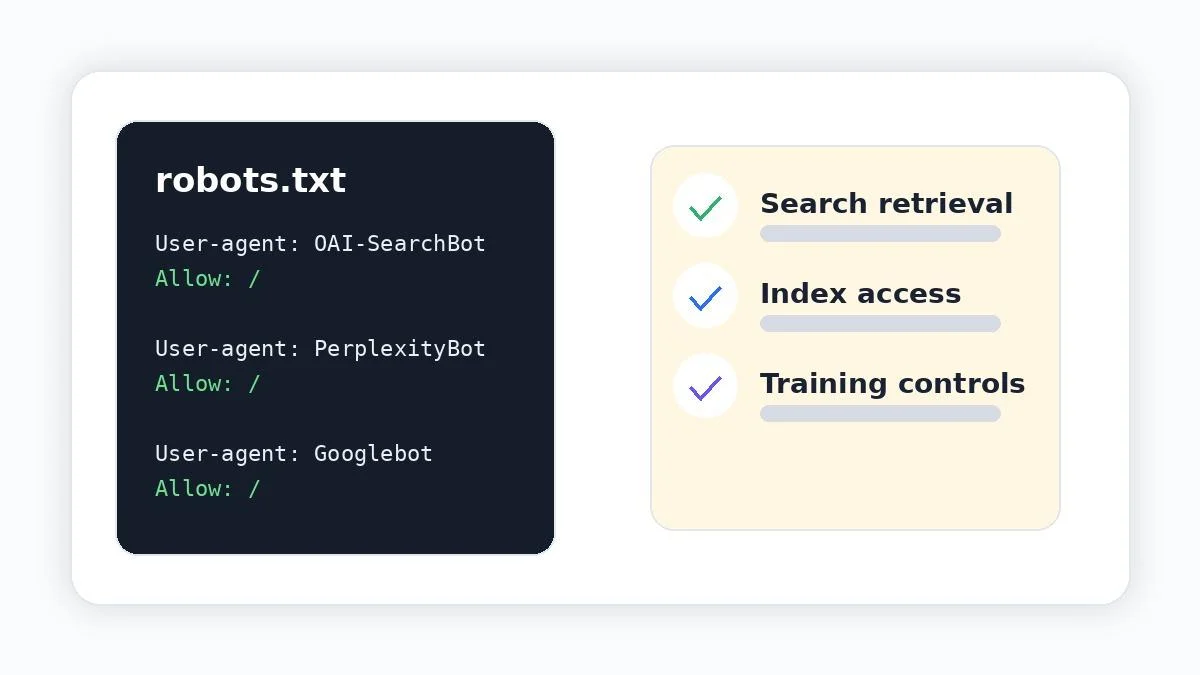
Crawler access is not one-size-fits-all. OpenAI says content can appear in ChatGPT summaries and snippets only when OAI-SearchBot is not blocked. Google says pages must be indexed and snippet-eligible to appear as supporting links in AI Overviews or AI Mode. Perplexity says its crawler will not index content that is disallowed in robots.txt. Decide what to allow based on your business goals.
11. Publish an llms.txt file
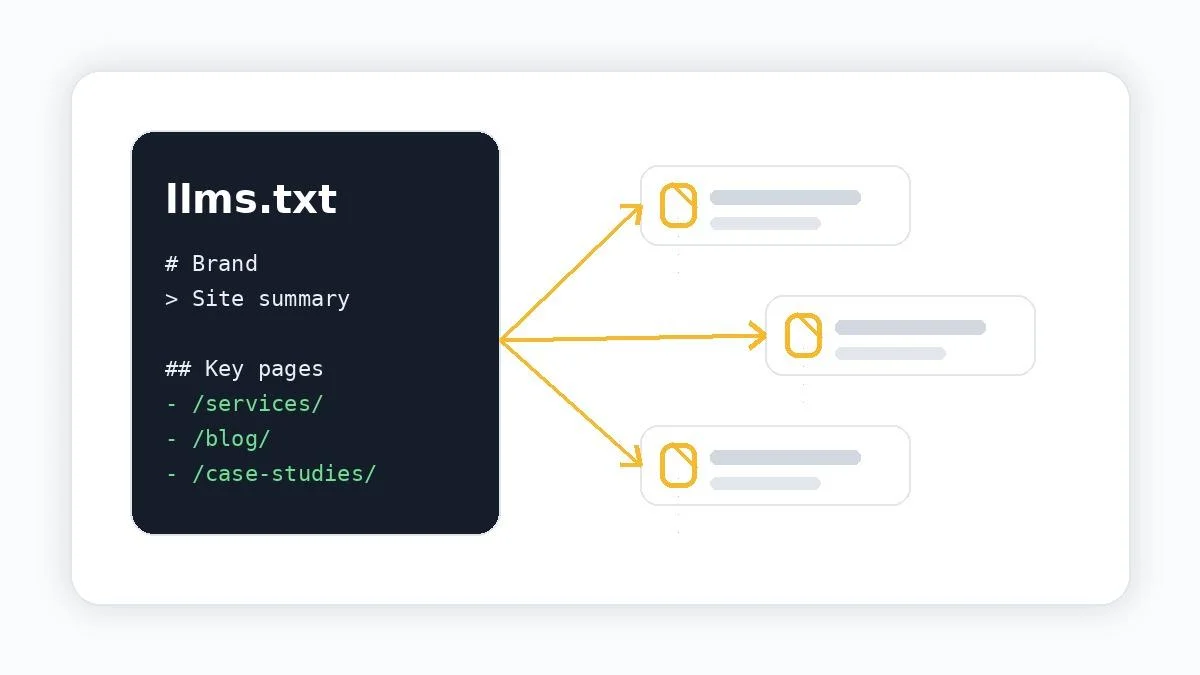
An llms.txt file is an emerging convention, not a guaranteed ranking or citation signal. It is a plain markdown file at the root of your domain that lists important pages and explains what your site covers. It costs little to create and can help make your site easier for AI agents and tools to understand.
12. Keep your technical SEO foundation solid
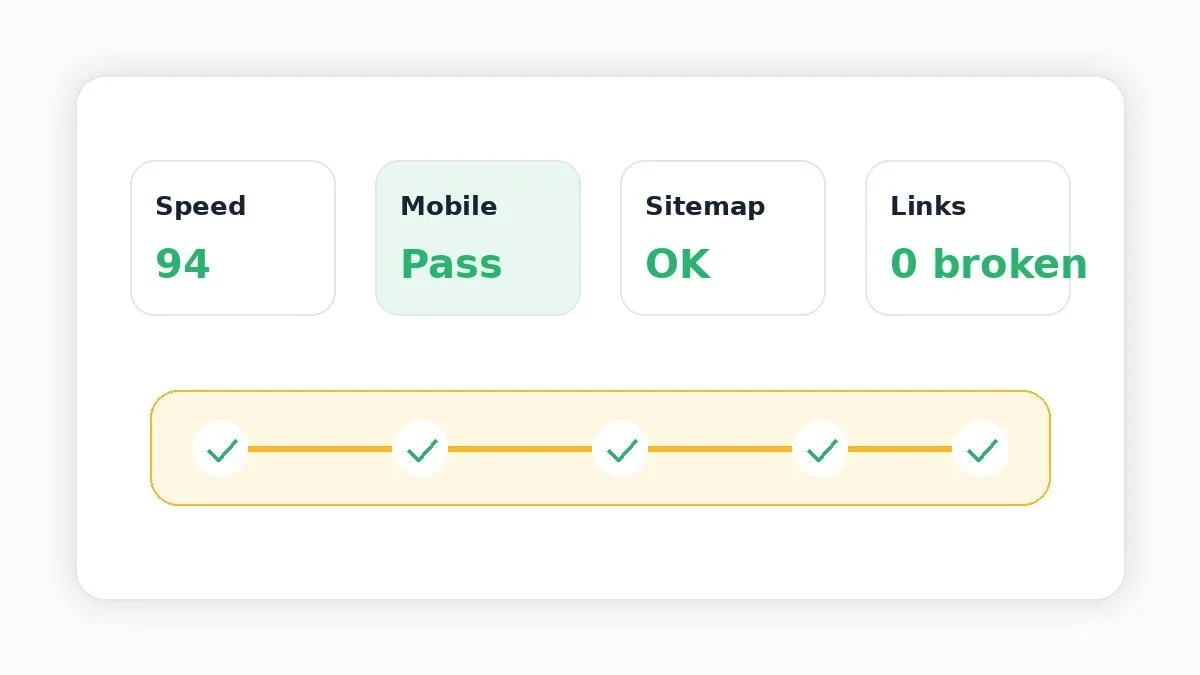
Fast page speed, mobile-friendly design, a clean XML sitemap, working internal links, and indexable content still matter. AI crawlers and search crawlers both struggle with slow, broken, or hard-to-render websites.
13. Write for one clear topic per page
Pages that try to cover too many loosely connected ideas can confuse readers and crawlers. Give each page one clear primary topic, then use internal links to connect related supporting pages.

14. Use plain, specific language over vague marketing language
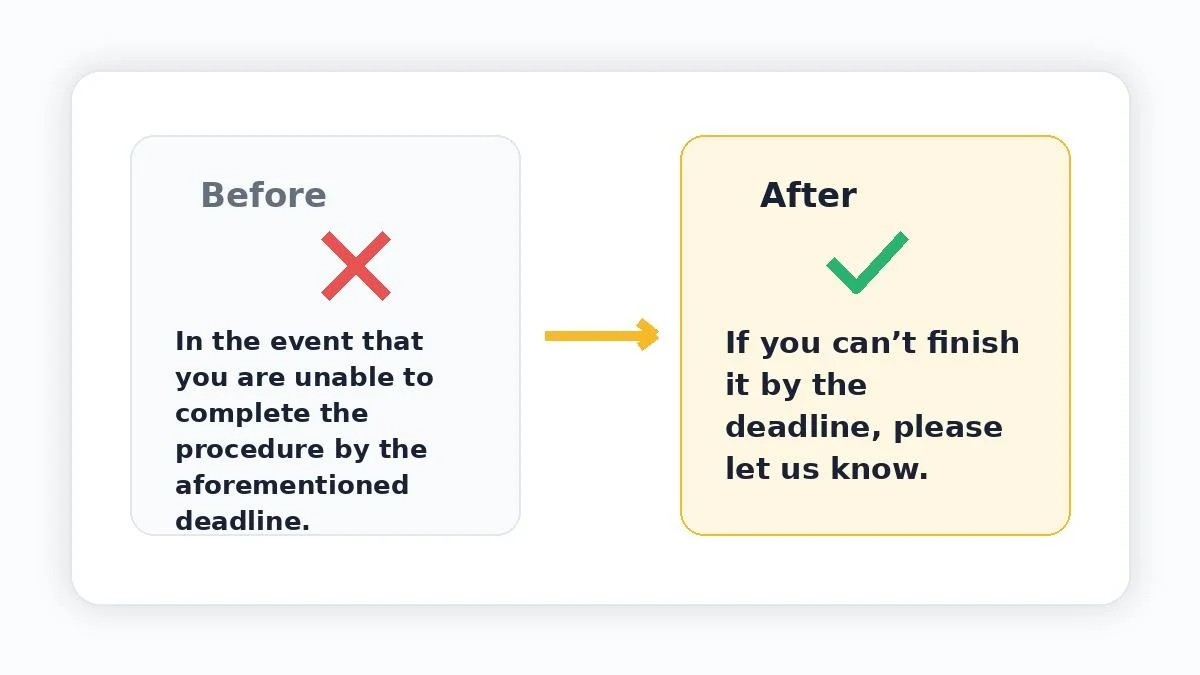
Phrases like “unmatched excellence” or “best in the industry” carry little checkable meaning. Replace them with specific, provable statements. Clear claims are easier for readers and AI systems to trust.
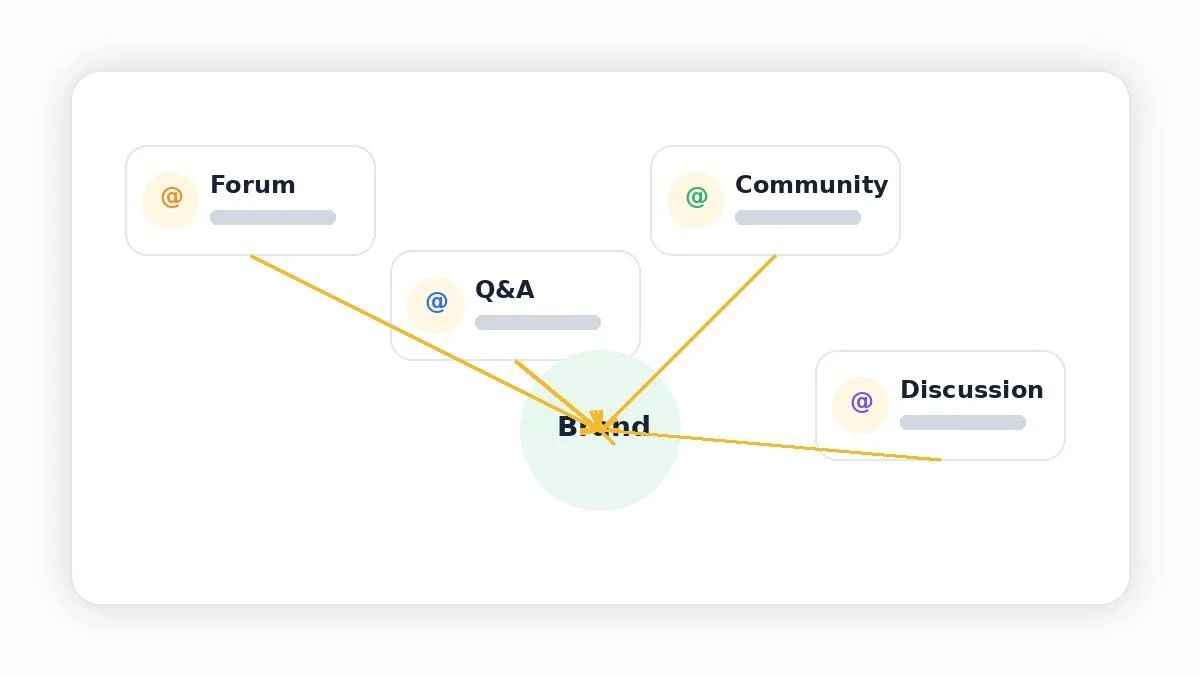
15. Get mentioned on Reddit, Quora, and niche forums
Community mentions can help AI systems understand how real users discuss a brand, service, or topic. Participate genuinely. Answer questions, share helpful context, and avoid spammy self-promotion.
16. Earn coverage on trusted third-party sites
Digital PR, respected guest posts, expert roundups, interviews, and industry publications can act as independent validation. If credible sources describe your brand consistently, AI systems are more likely to understand and repeat that description.
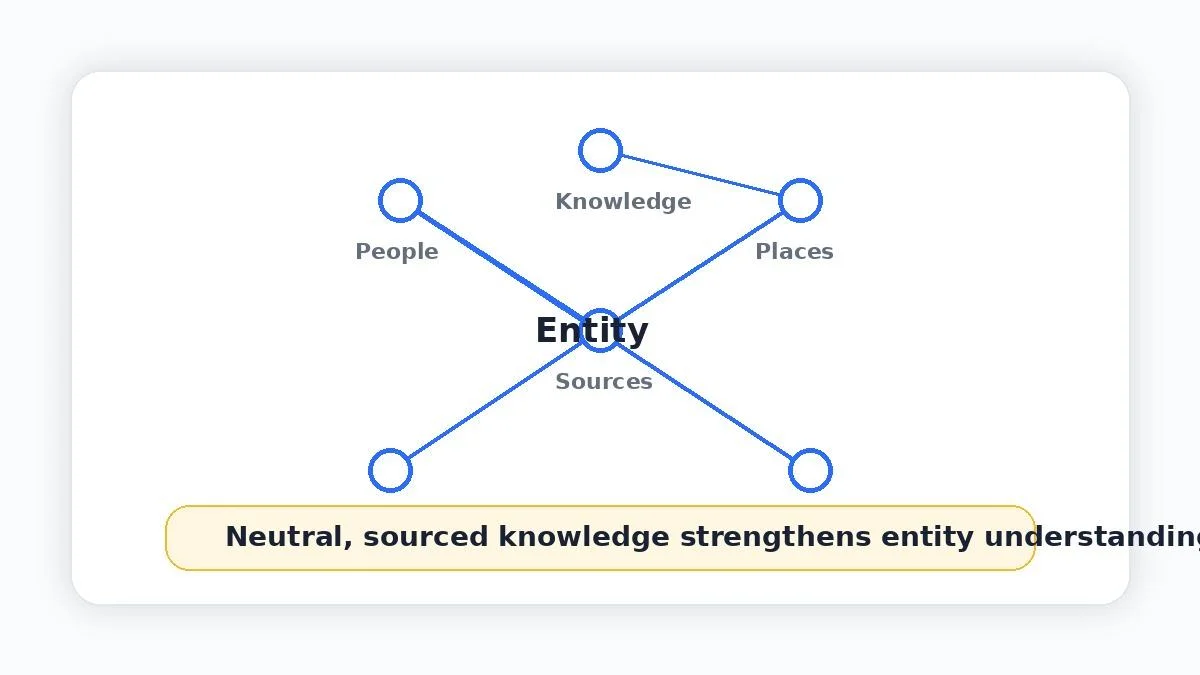
17. Build a presence on Wikipedia and Wikidata where appropriate
Large language models often rely on structured and widely referenced knowledge sources. A neutral, well-sourced Wikipedia or Wikidata presence can help entity understanding, but only pursue it if the business or person genuinely meets notability guidelines.
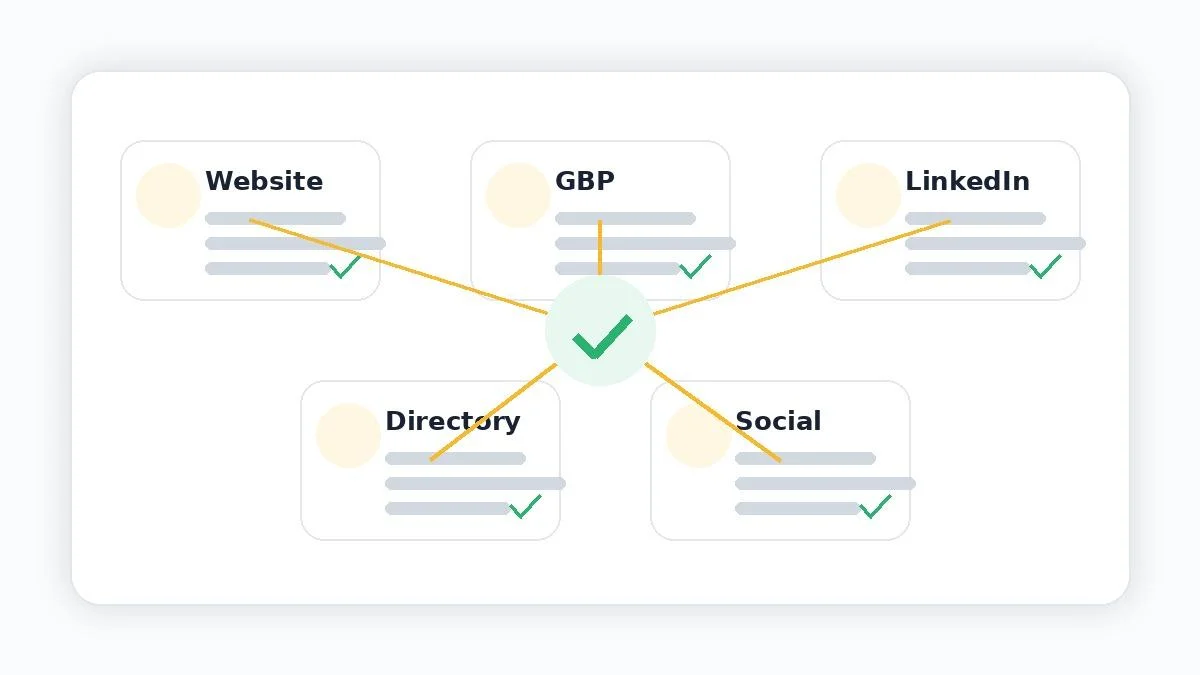
18. Keep your NAP and brand details consistent everywhere
Your name, address, phone number, website, social profiles, and short brand description should match across public profiles and directories. Inconsistent details make it harder for systems to connect signals back to one trusted entity.
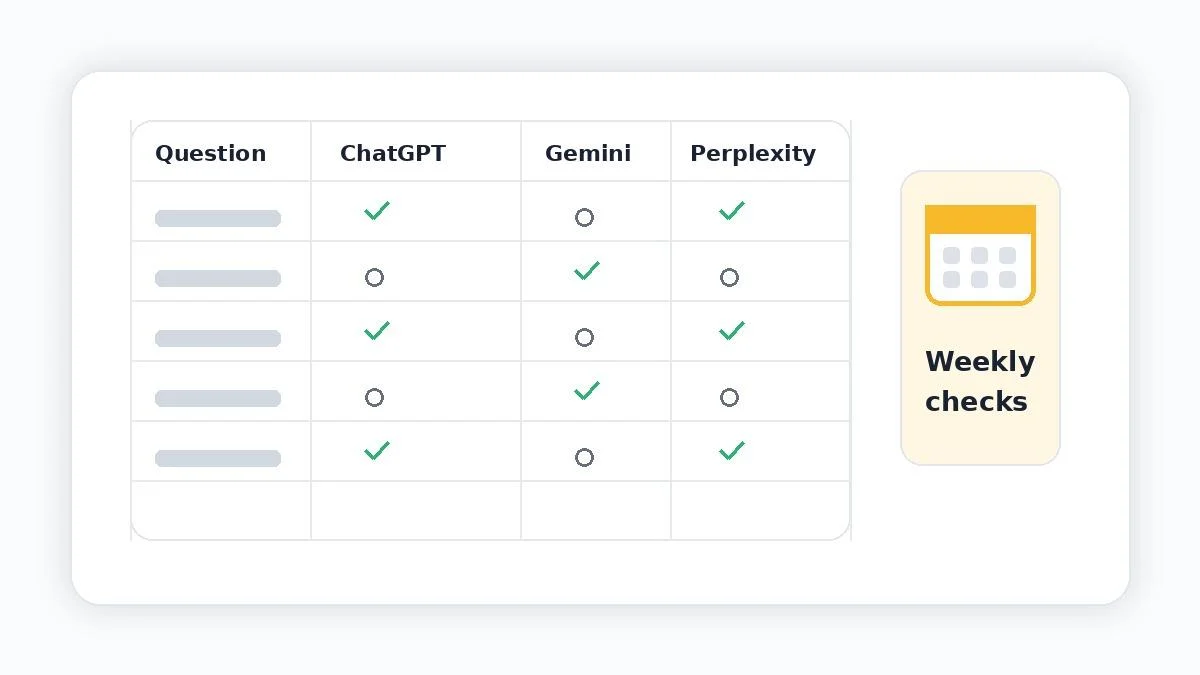
19. Track your AI citations manually every week
Pick three to five questions your ideal customer would realistically ask. Search them in ChatGPT, Gemini, Perplexity, and other relevant tools. Track whether your brand is cited, how it is described, and which competitors appear.
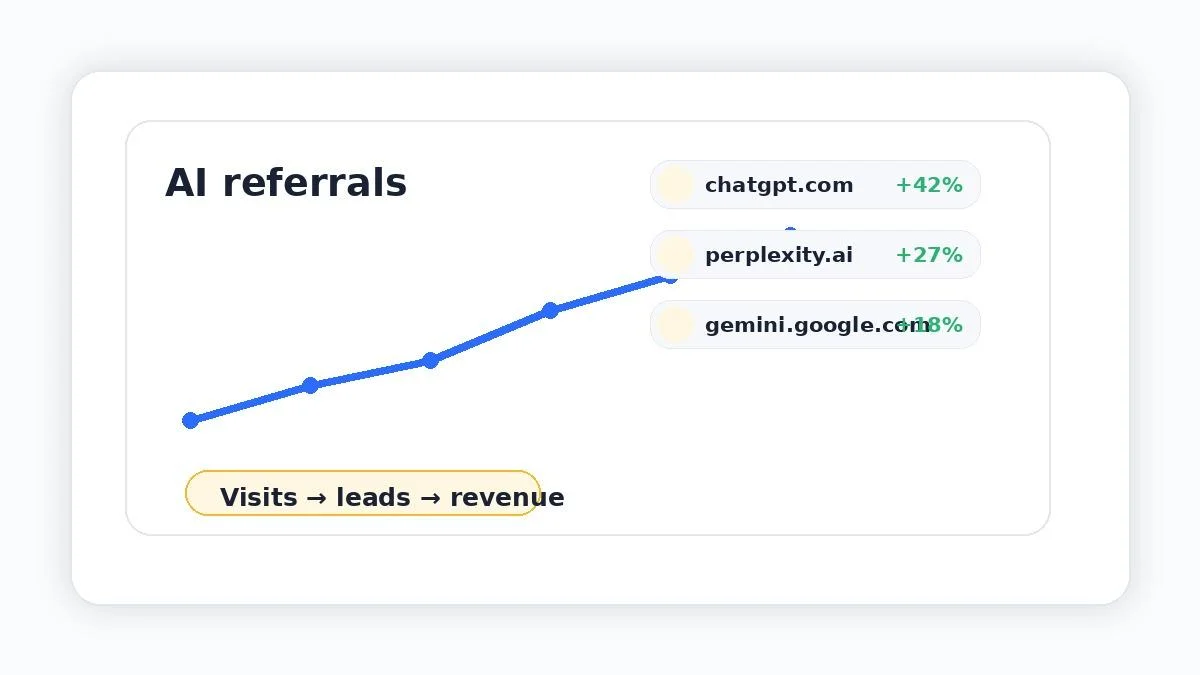
20. Add an AI referral channel inside your analytics
Set up a custom channel or segment in your analytics tool for traffic from AI platforms such as chatgpt.com, perplexity.ai, gemini.google.com, copilot.microsoft.com, and other relevant referral sources. This helps you connect GEO work to actual visits, leads, and revenue.
Structure your content to answer questions instantly, back every claim with real data, keep your site technically accessible, build genuine authority across the wider web, and measure AI citations regularly.
Final Thoughts
GEO is not a replacement for SEO. It is the next layer on top of it. The websites that win in this new landscape are the ones that make it easy for an AI system to read a page, trust it, and quote it with confidence.
Start with the highest-impact changes first : rewrite key pages with a clear answer at the top, add proper schema markup, review crawler access, and put a real author name on important content. Then work through the remaining practices over the next few months. Track citations weekly and keep refining based on what actually gets picked up.